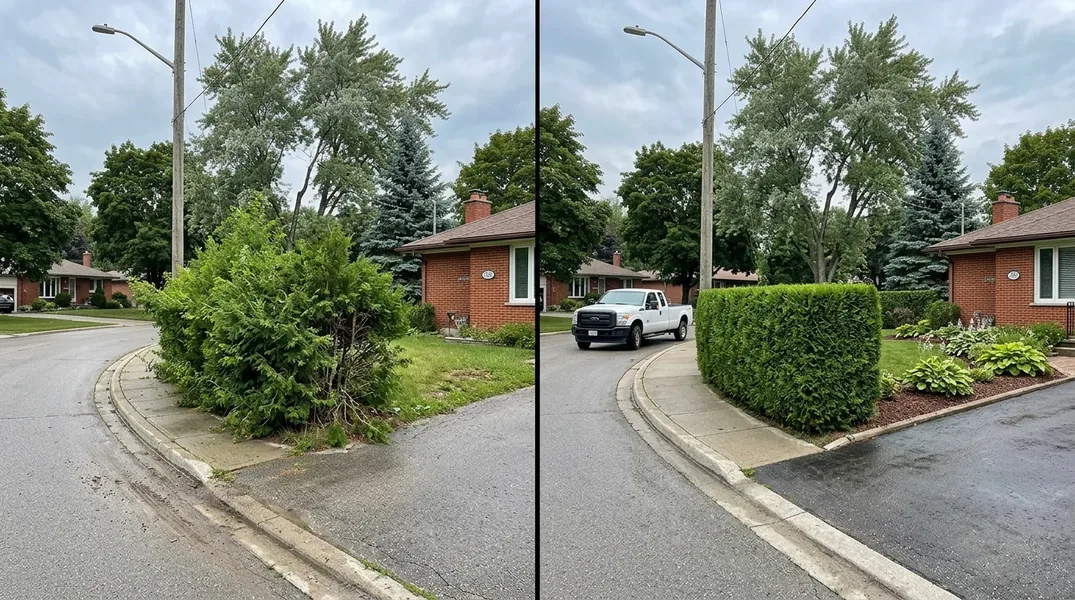
Understanding Ice Storm Damage in London
Winter weather in southwestern Ontario brings unique challenges for trees. Freezing rain, heavy snow squalls, and prolonged cold create conditions that weaken branches and compromise tree structure. When ice accumulates on limbs, the weight can exceed what wood can safely bear, leading to sudden failure and property damage.
The combination of freeze-thaw cycles and lake-effect precipitation common to the London region accelerates wood stress. Trees that appear healthy in autumn may become hazardous by January or February. Branches laden with ice can snap without warning, potentially falling onto roofs, vehicles, or power lines. Understanding these seasonal risks is the first step towards protecting your property and ensuring the safety of your household.
How Freezing Rain Breaks Branches
Freezing rain creates a deceptive danger. Unlike snow, which slides off branches, ice forms a solid coating that adheres to every twig and limb. A single centimetre of ice can add hundreds of kilograms of weight to a mature branch. Wood that has absorbed moisture during autumn and early winter becomes brittle in sustained cold, losing the flexibility needed to bend under load.
Species like maple, oak, and birch are particularly vulnerable because their branch angles and wood density make them prone to splitting rather than bending. When ice storm tree damage occurs in London, the damage is often catastrophic. Branches do not simply bend and recover; they split at the fork, tearing bark and exposing the heartwood to disease and decay. This is why preventive measures taken before winter are far more cost-effective than emergency repairs after a storm.
Preventive Pruning Before Winter Arrives
Tree Pruning and Crown Reduction in autumn and early winter removes weak branches, improves air circulation, and reduces the surface area that collects ice and snow. A certified arborist evaluates each tree's structure, identifying branches that cross, compete, or grow at narrow angles prone to splitting. Removing these hazards before the season arrives prevents the emergency calls that follow the first major storm.
Forest City Tree Trimming recommends scheduling preventive pruning by October or November, before freezing rain arrives. This timing allows trees to compartmentalize wounds before dormancy and ensures your property is ready for the most severe weather. Proper pruning also strengthens the remaining canopy, improving the tree's ability to shed snow and ice naturally. The cost of preventive work is typically a fraction of what emergency tree removal costs after a storm has caused damage.
If you have large trees near your home or over structures, contact Forest City Tree Trimming at (548) 708-7545 to schedule a free estimate before winter weather intensifies.
Recognizing Hazardous Trees After a Storm
After freezing rain or a snow squall, walk your property carefully to assess damage. Look for branches that hang at odd angles, bark that is torn or split, or limbs that are only partially attached. A London homeowner should never attempt to remove large broken branches themselves, as the wood is unpredictable and may shift unexpectedly.
Some damage is not immediately obvious. A branch may appear intact but be cracked internally, becoming unstable as temperatures fluctuate. Crown damage that reduces a tree's symmetry can also make it more vulnerable to wind damage later in the season. Professional assessment is critical. Our certified arborists can identify which trees pose genuine risk and which will recover naturally. A hazardous tree in London may require prompt tree removal if the damage is severe enough to make the tree structurally unsound.
Emergency Tree Removal and Storm Cleanup
When a tree fails during or after a storm, immediate action is necessary. Fallen limbs can block driveways, damage fences, or create hazards for neighbours. A tree leaning against your home or a power line requires urgent attention. Forest City Tree Trimming offers 24/7 Emergency Tree Removal to respond quickly when storms strike the London area.
Storm cleanup involves more than removing fallen wood. Our crews assess the remaining tree, determine whether it can be salvaged or must be removed entirely, and clear all debris from your property. We document damage for your insurance claim and coordinate with utility companies if power lines are involved. The goal is to restore safety and access to your property as quickly as possible. For emergencies outside regular business hours, call (548) 708-7545.
Preparing Your Trees for Winter Weather
Beyond pruning, several practices reduce winter damage risk. Ensure trees receive adequate water in autumn, as trees with sufficient moisture are more resilient to freeze-thaw stress. Avoid heavy fertilizing in late summer and autumn, which can encourage tender new growth vulnerable to frost. If you have young or recently transplanted trees, staking or cabling may provide temporary support during their establishment years.
For properties with multiple large trees or trees in close proximity to structures, a professional arborist report provides a clear roadmap for winter preparation. This assessment identifies which trees need pruning, which may require removal, and what ongoing maintenance will reduce future risk. Forest City Tree Trimming can provide this evaluation as part of a free estimate, helping you prioritize work before the season's most severe weather arrives. Contact us at (548) 708-7545 or visit https://london-tree-trimming.ca to discuss your property's specific needs.
Looking for a professional in London? Forest City Tree Trimming responds quickly for all your tree trimming needs.
Get a free estimateOur services : Tree Removal · Tree Trimming · Tree Pruning & Crown Reduction